
Cornerstone Clinical
Research Center
Welcome to our Clinic
Welcome to CCRC…
We specialise in conducting clinical trials for patient volunteers in the field of gastroenterology.
Please contact us if you are interested in joining a clinical trial.
*Click here if you are interested in these clinical trials:
Crohns Disease
Ulcerative Colitis
*Trials are only available for participation in South Africa
What we offer for patients:
FAQs for patients interested in clinical trials:
Clinical research is the study of health and illness or disease in people. Clinical research is the study of health and illness or disease in people.
Clinical trials are research studies that test a medical, surgical, or behavioural intervention in people. Often, a clinical trial is designed to learn if a new treatment is more effective or has less harmful side effects than existing treatments. It may also include improving the quality of life for people living with a life-threatening disease or chronic health problem.
By volunteering to participate in clinical research, you can help scientists develop new medicines to treat and prevent disease. Many well-known treatments that are used today, such as chemotherapy and treatments for hypertension and diabetes, would not exist without research participants. Whether you’re healthy or have a medical condition, people of all ages and backgrounds can participate in clinical trials.
They want to contribute to discovering health information that may help others in the future.
Participating in research helps them feel like they are playing a more active role in their health.
The treatments they have tried for their health problem did not work or there is no treatment for their health problem.
Whatever the motivation, when you choose to participate in a clinical trial, you become a partner in scientific discovery. Participating in research can help future generations lead healthier lives. Major medical breakthroughs could not happen without the generosity of clinical trial participants.
Here’s what typically happens in a clinical trial or study:
Research staff explain the trial or study in detail, answer your questions, and gather more information about you.
Once you agree to participate, you sign an informed consent form indicating your understanding about what to expect as a participant and the various outcomes that could occur.
You are screened to make sure you qualify for the trial or study.
If accepted into the trial, you schedule a first visit, which is called the “baseline” visit. The researchers conduct clinical tests during this visit.
For some trials testing an intervention, you are assigned by chance (randomly) to a treatment group or a control group. The treatment group will get the intervention being tested, and the control group will not.
You follow the trial procedures and report any issues or concerns to researchers.
You may visit the research site at regularly scheduled times for clinical evaluations and discussions with staff. During these visits, the research team collects data and monitors your safety and well-being.
Clinical trials test how a medicine affects people with a certain medical condition or lifestyle therefore not everyone will meet the criteria to participate in every trial. After you consent to participate, the research staff will ask questions and perform tests to see if you are eligible for the trial during a screening visit. The screening may involve blood tests, scans, scopes and a physical examination.
To be eligible to participate, you may need to have certain characteristics, called inclusion criteria. For example, a clinical trial may need participants to have a certain stage of disease or demonstrate failure to other treatment classes of medication for that disease. Participants with certain characteristics may not be allowed to participate in some trials called exclusion criteria, which includes factors such as specific health conditions, abnormal blood results or medications that could interfere with the treatment being tested.
Many volunteers must be screened to find enough people who are eligible for a trial or study. Generally, you can participate in only one clinical trial at a time. Different trials have different criteria, so being excluded from one trial does not necessarily mean you will be excluded from another.
For more information about clinical trials, you may look at the following sites:
Clinical Research Trials and You
National Institutes of Health
www.nih.gov/health-information/nih-clinical-research-trials-you
ClinicalTrials.gov
www.clinicaltrials.gov
Every study is different, but clinical trial participants usually do not have to pay out-of-pocket costs to participate. Generally, the clinical trial sponsor will cover all research-related costs, the trial medication and any special testing or procedures that are required for participation.
When traveling for clinical trials, patients may have to spend money to get to the research site and pay for meals away from home, this also includes time spent away from work, the sponsor will usually cover these costs.
Meet the Doctors
Dr. Ronelle Moodliar

Ronelle qualified as a medical doctor in 2003 and as a specialist in family medicine in 2012.
She has over 9 years of experience in a leadership role whilst employed as the head of the clinical trial department in a non-profit organisation where she established three successful clinical trial sites; provided research skills and oversight to over twenty-five staff and served on the executive committee for the company.
She has more than 13 years of experience in conducting clinical research and trials particularly in the fields of HIV and drug-resistant tuberculosis.
She has worked on ground-breaking clinical drug trials with international sponsors such as TB Alliance, Medecins Sans Frontieres – Doctors without borders, Janssen pharmaceuticals and Vital Strategies.
She has ten publications in renowned journals such as The Lancet, The New England Journal of Medicine and The International Journal of Tuberculosis and Lung Disease.
Dr Robert Nel
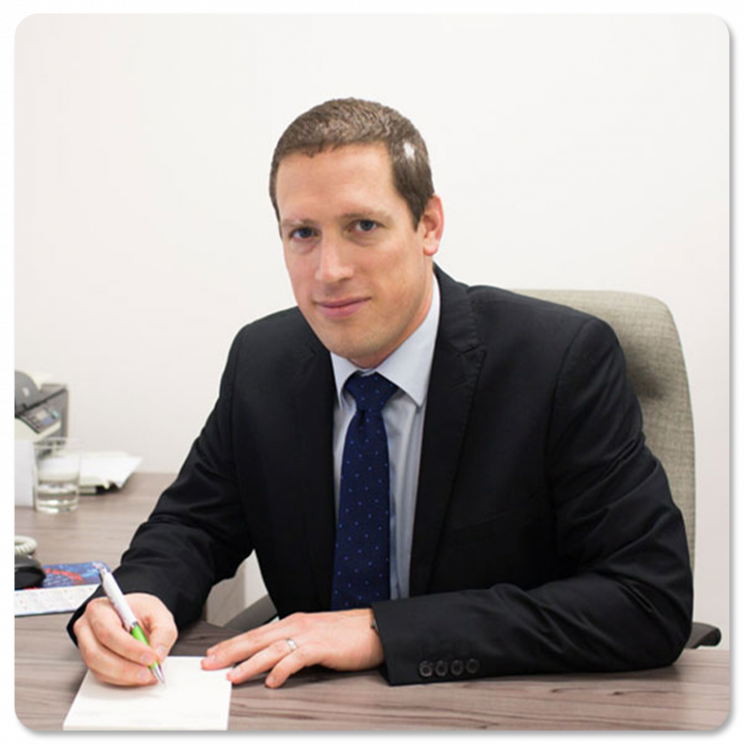
Dr. Nel completed his MBChB degree at the University of Pretoria in 2003. He then travelled to Cape Town, where he did his internship year at G.F. Jooste Hospital in Manenberg. In 2005 he completed his year of community service at Knysna Provincial Hospital. After this he spent another two years at G.F. Jooste Hospital working in the Department of Internal Medicine as a medical officer. He started his training for the speciality of Internal Medicine at the University of Cape Town in 2008 and completed this in 2011.
He then worked as a consultant physician at Groote Schuur Hospital for eighteen months before starting to subspecialize in Gastroenterology in 2013. He completed this three-year training course at the University of Cape Town in 2016.
Dr. Nel started in private practice at Hillcrest Private Hospital in Durban in 2016. He has experience in diagnostic and interventional endoscopy, including gastroscopy, colonoscopy and endoscopic retrograde cholangiopancreatography, as well as other procedures. In future he plans to add other endoscopic techniques to his repertoire, including endoscopic ultrasound and double balloon endoscopy.
Our Focus
We currently have scope for clinical trials in Gastroenterology and General Medicine, however as we grow, we plan on expanding our clinical research into other fields of medicine.
Our Premises
Cornerstone Clinical Research Centre
(CCRC)
Busamed Hillcrest Private Hospital
Suite 106B, 471 Kassier Road, Outer West Durban, 3610
More about us...
What's new?
We are the only centre in KZN offering clinical trial services to the public for gastrointestinal disease.
What we offer
To provide professional partnerships between clinical research in the pharmaceutical industry & health sector by providing specialised services in clinical trial management.
Latest projects
Our focus at first is in the fields of gastroenterology & general medicine. We endeavour to expand into the fields of Oncology, Rheumatology, Otolaryngology, and Paediatrics soon.